Written by Sharma Shields, Writing Education Specialist
Spokane Public Library is excited to host a workshop with Michael N. McGregor at Riverside State Park this spring, Solitude, Nature, and Art: Deepen Your Awareness and Creativity on Sunday, April 26 at Riverside State Park, Bowl & Pitcher Kitchen Shelter from 2-4pm.
At the beginning of his recently published memoir, An Island to Myself: The Place of Solitude in an Active Life, writer Michael N. McGregor quotes a journal entry he penned on the island of Patmos in 1992:
“All I ask of life are times like this, times of peacefulness when I can contemplate. I don’t mind rushing about and dealing with difficult people. I don’t mind having to work at something that doesn’t mean much in order to pay for food and a place to live. I don’t mind difficulties that are beyond my control or sickness or tiredness. These are life. I ask only that in the midst of them I can come to a quiet place—inside or out—where I can write and learn peace and truth.”
Michael was kind enough to respond to our questions about solitude and art over email.
Spokane Public Library (SPL): When did you first experience the impact of solitude on your artistic life?
Michael N. McGregor (MNM): At the age of 27, I went to the island of Patmos in Greece to write a novel. It was winter and I was alone there for two months. I must have thought that solitude could enhance my art-making to do such a thing, but I was unprepared for how profoundly being alone in that way would deepen the writing experience. Without distractions, what I wrote became more vital, more alive, more all-encompassing.
SPL: How do you see solitude and art conversing?
MNM: Solitude is an invitation to get to know ourselves more intimately while shutting out the noise that can negatively influence art: worries about what others think or how successful we are or whether our career is advancing (or even starting). The self and the art that comes out of it are shy creatures. In solitude, they can emerge together, speaking in a truer, deeper voice. Solitude makes uninterrupted attention possible, and uninterrupted attention–to both ourselves and the world around us–helps us see below the surface to where the heart beats, and where colors, patterns, and meanings reveal themselves.
SPL: What first steps would you recommend for developing a practice of solitude?
MNM: As with anything new, it’s best to start simply. If you want it to become a habit, a simple start makes it more likely you’ll enjoy it rather than see it as something you have to do. Find a quiet place where you can sit for 20 minutes. Don’t try to do more than that at first. If you can be in nature or look out at nature, that’s ideal, but anywhere is fine. Let yourself just be there, without an agenda. Whatever you’re looking at, focus on becoming aware of what you’re actually seeing (and hearing and smelling) rather than relying on your preconceptions. A tree is not just a “tree”; it holds colors and patterns and lines and substance and movement and beauty. It also holds feeling and association and meaning. All of these elements are personal, and it is from them that solitude births art.
Books about Solitude and Wonder
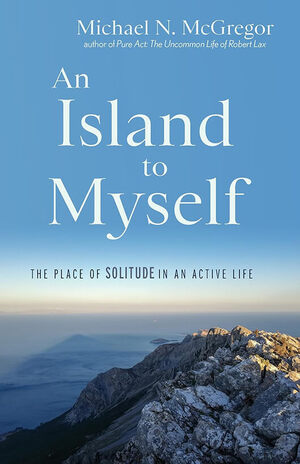
An Island to Myself: The Place of Solitude in an Active Life by Michael N. McGregor
In his twenties, Michael N. McGregor traveled to the remote Greek island of Patmos to spend two winter months alone, 6,000 miles from home. It was a time before cellphones and the internet, when even a phone call was costly. Although he expected his solitude to be meaningful, he wasn’t prepared for how it would change him.
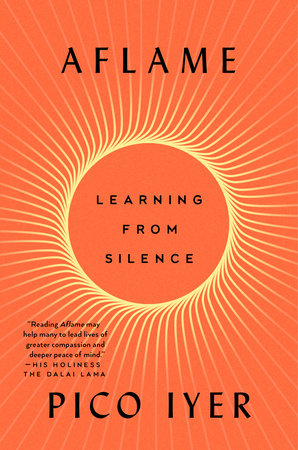
Aflame: Learning from Silence by Pico Iyer
From the bestselling author of The Art of Stillness, a revelatory exploration of the abiding clarity and calm to be found in quiet retreat. Radiant, intimate, and gripping, Aflame offers ageless counsel about the power of silence and what it can teach us about how to live, how to love, and, ultimately, how to die.
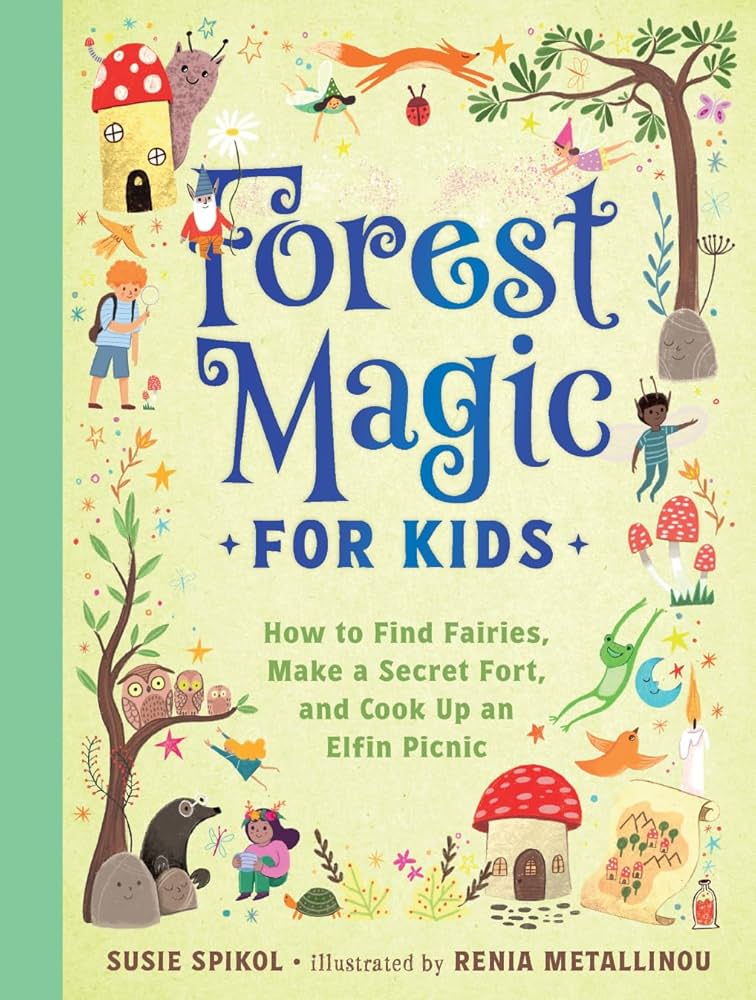
Forest Magic for Kids: How to Find Fairies, Make a Secret Fort, and Cook Up an Elfin Picnic by Susie Spikol
This enchanted guide offers 50+ magical activities for everything from finding hidden flower fairies in your own backyard to making a special wizard staff to creating a tiny woodland village, and making your own forest potions.
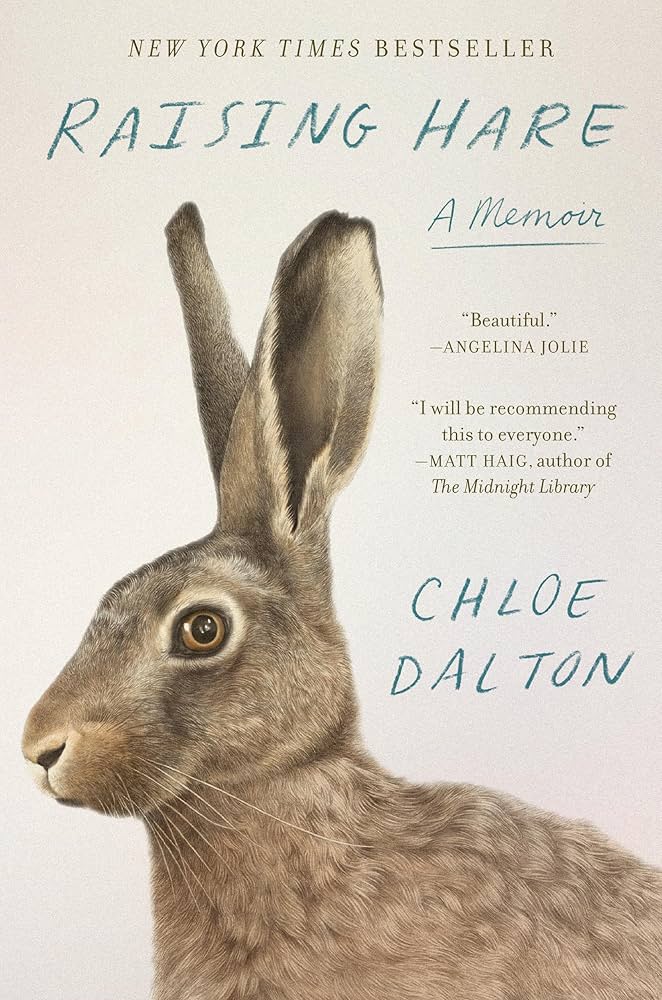
Raising Hare: A Memoir by Chloe Dalton
A fascinating meditation on freedom, trust, loss, and our relationship with the natural world, explored through the story of one woman’s unlikely friendship with a wild hare.
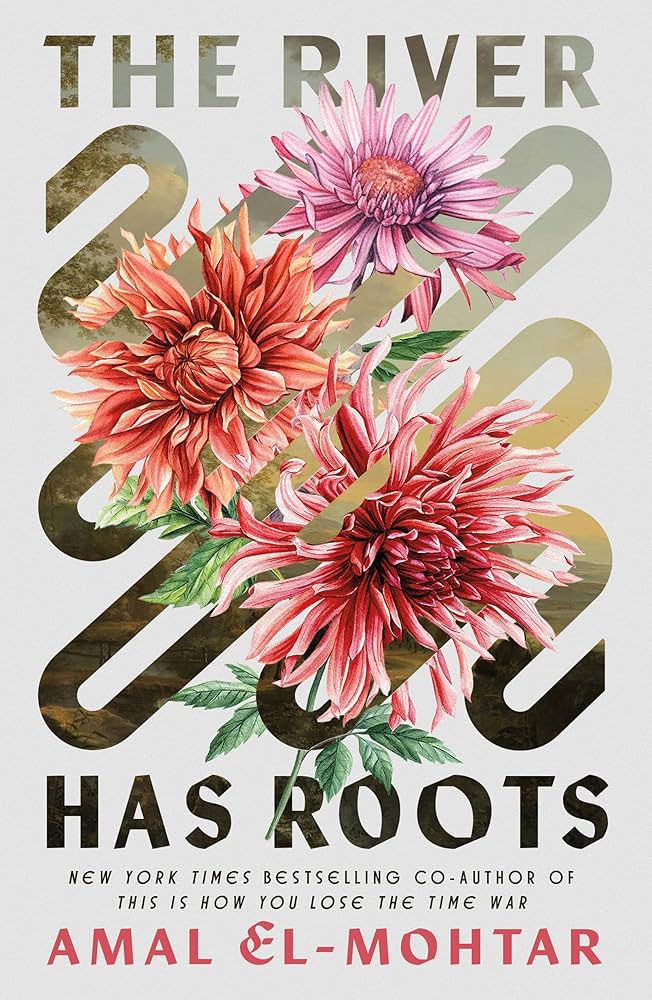
The River Has Roots by Amal El-Mohtar
This is the hugely anticipated solo debut of the New York Times bestselling and Hugo Award winning author Amal El-Mohtar. Follow the river Liss to the small town of Thistleford, on the edge of Faerie, and meet two sisters—caretakers of ancient willow trees—who cannot be separated, even in death.
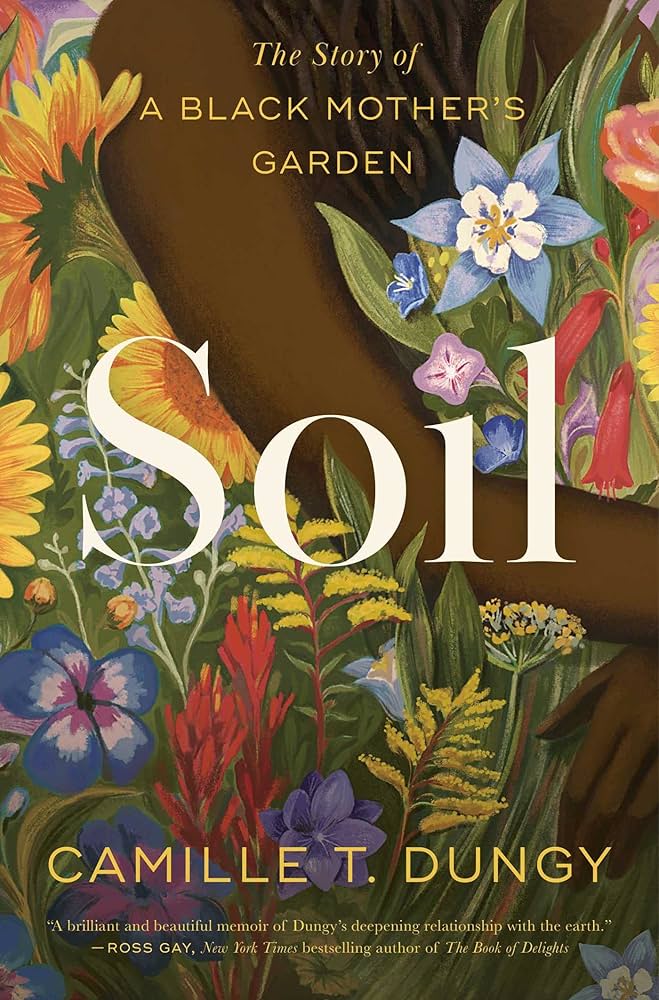
Soil: The Story of a Black Mother’s Garden by Camille T. Dungy
A seminal work that expands how we talk about the natural world and the environment as National Book Critics Circle Criticism finalist Camille T. Dungy diversifies her garden to reflect her heritage.
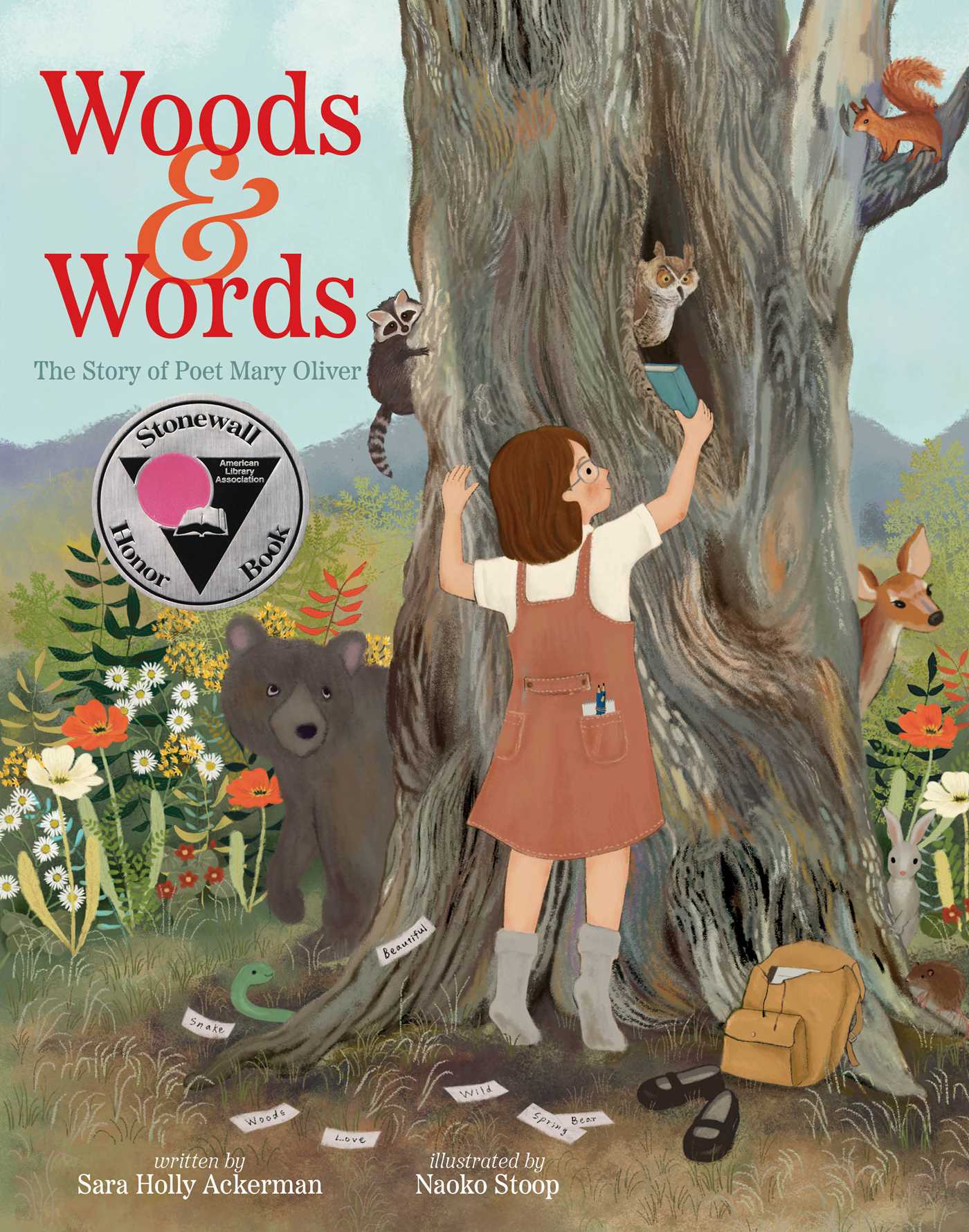
Woods & Words: The Story of Poet Mary Oliver, written by Sara Holly Ackerman; illustrated by Naoko Stoop
This Stonewall Children’s Literature Award Honor Book is an inspiring and enriching picture book biography that explores the life and work of beloved poet Mary Oliver. It shines a light on Mary’s belief that there are treasures and poems all around us in nature, waiting to be discovered.